Plumbing Red Flags to Watch For When Buying an Existing Home

August 23, 2023

Buying an existing home can be an exciting venture – you're not just purchasing property but also history, character, and a place to create new memories. However, older homes come with their own set of challenges, especially when it comes to plumbing.


Before you sign on the dotted line, it's essential to be aware of potential plumbing issues. Here are some red flags to look for, brought to you by the experts at Aarons Water Heaters:


1. Discolored Water

Turn on the faucets in the home to check the water color. If it’s any shade other than clear – brown, yellow, or cloudy – it could indicate corrosion in the pipes or issues with the local water supply.


2. Low Water Pressure

Reduced water pressure might seem like a minor inconvenience, but it could suggest more severe problems like corroded pipes, hidden leaks, or issues with the local water supply.


3. Outdated Water Heater

Inspect the water heater. A rusty tank, outdated models, or any signs of leakage are causes for concern. Additionally, if the water heater is over 10-15 years old, it might need a replacement soon.


4. Noisy Pipes

If you hear rattling, banging, or any strange noises when you turn on the faucets or flush the toilets, it could indicate loose pipes or water pressure issues.


5. Signs of Previous Water Damage

Look for dark spots on the walls or ceilings, warped floorboards, or a musty smell. These can indicate past leaks or flooding issues.


6. Slow Drains

Drains that empty slowly could mean blockages or more severe issues further down the line, like tree root invasions or structural problems.


7. Unusual Toilet Behavior

If the toilet makes strange noises, doesn't flush correctly, or continuously runs, it might signal underlying problems with the septic system or general plumbing issues.


8. Exposed Pipes

Inspect any visible pipes in the home, including in basements, crawl spaces, and utility rooms. Look for signs of corrosion, leaks, or DIY patches, which might not meet professional standards.


9. Sewer and Septic Issues

Ask about the age and condition of the sewer or septic system. Backups, unpleasant odors, or wet spots in the yard can indicate problems.


10. Older Pipe Materials

Homes built before the 1970s might have galvanized pipes, which are prone to corrosion and can reduce water quality. Even more concerning, some old homes may still have lead pipes, which pose severe health risks.


11. Inconsistent Water Temperature

If you experience rapid changes in water temperature while testing showers or faucets, there might be issues with the water heater or mixing valve.


Conclusion

While some plumbing issues in older homes can be easily addressed, others might require substantial repairs or replacements, leading to significant expenses. By being aware of these red flags, potential homeowners can make informed decisions and negotiate effectively.


While some plumbing issues in older homes can be easily addressed, others might require substantial repairs or replacements, leading to significant expenses. By being aware of these red flags, potential homeowners can make informed decisions and negotiate effectively.


If you’re considering buying an existing home and need a thorough plumbing inspection of your water heater and filtration system, the team is here to assist. We bring our expertise in water heaters and comprehensive plumbing knowledge to provide you with the insights you need for a smooth home-buying experience.


You might also like
January 6, 2026
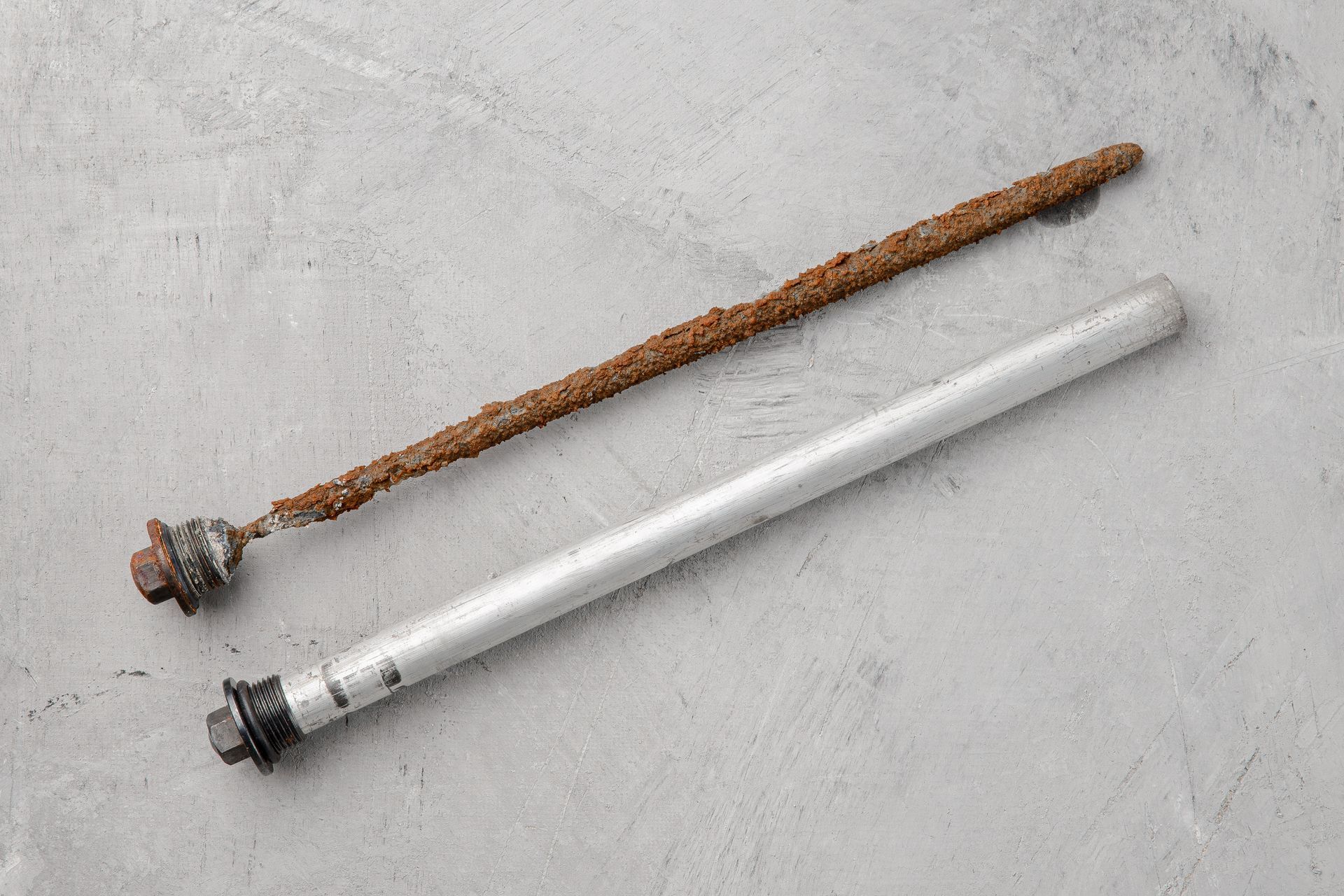
When most homeowners think about water heater maintenance, they picture draining the tank or adjusting the temperature. But there’s one part inside every traditional tank-style water heater that quietly protects the entire system, yet rarely gets talked about. It’s called the anode rod, and understanding it can extend your water heater’s life by years. At Aarons Water Heaters, we see the good, the bad, and the completely dissolved when it comes to these rods. So here’s what every homeowner around Ann Arbor should know. What Is a Water Heater Anode Rod? Inside your water heater tank, there’s a metal rod, usually made of magnesium, aluminum, or zinc-aluminum alloy, that’s designed to corrode on purpose. Yes, you read that right. The anode rod’s job is to act as a “sacrificial” component so the steel tank doesn’t corrode instead. If the tank rusts, you end up with leaks, water damage, and a costly replacement. If the rod rusts first, your tank stays protected. How Does an Anode Rod Work? (Simple Explanation) Water naturally causes corrosion, especially when minerals or oxygen are present. Without protection, the inside of your water heater tank would rust quickly. The anode rod prevents this by using a scientific principle called electrolysis: The rod attracts corrosive elements in the water Those elements eat away at the rod instead of the tank The rod slowly deteriorates over time When it’s fully consumed, your tank becomes vulnerable Think of it like sunscreen… but for your water heater. Signs Your Anode Rod Needs to Be Replaced You don’t have to see the rod to notice something’s off. Some common signs include: Hot water that smells like rotten eggs Water discoloration Rumbling or popping noises from the tank Your water heater is 5+ years old and has never had maintenance You’ve noticed more sediment in the tank Reduced hot water quality or output Most anode rods last 3–5 years, but it depends greatly on your water quality. Here in Michigan, hard water can significantly shorten that lifespan. DIY Anode Rod Tips (For Confident Homeowners) You can check or replace an anode rod yourself, just be aware that the job often requires serious torque and can be tricky in tighter spaces. But if you’re handy, here are some safe starting tips: 1. Know Your Water Heater Type Most standard tank heaters (gas or electric) have one anode rod. Some high-capacity models have two. Tankless units generally do not have them. 2. Turn Off Power / Gas & Water Electric: switch off the breaker Gas: turn the gas knob to OFF Close the cold-water inlet Let the tank cool before working on it 3. Drain a Few Gallons You don’t need to drain the whole tank, just relieve pressure so it doesn’t spray when you loosen the rod. 4. Locate the Anode Rod It’s usually found: On top of the tank Under a plastic cap Sometimes integrated with the hot water outlet 5. Prepare for a Tough Bolt ( often tightened extremely hard from the factory) Expect to use: A breaker bar Possibly penetrating oil Steady downward pressure to avoid tipping the tank 6. Inspect & Replace If the rod is: Less than ½ inch thick Fully coated in calcium Split, rusty, or nearly gone …it’s time for a new one. 7. Consider Upgrading Homeowners with limited space above their heater can use a flex or segmented anode rod, which bends to fit in low-clearance basements. Why Regular Anode Rod Checks Save You Money Replacing a worn anode rod can add 3–7 extra years of life to your water heater. That’s a $20–$60 part that could save you a $1,500+ replacement. It’s one of the best “small maintenance, big payoff” steps you can take. Want a Pro to Handle It? Aaron's Water Heaters Can Help If you’re not comfortable wrestling with fittings, don’t own a breaker bar, or just want the peace of mind of a licensed master plumber, we’re here for you. We can provide: Anode rod inspection Anode rod replacement Full water heater replacement/upgrades Water softener and iron filtration service Aaron’s Water Heaters (734) 476-1075 info@aaronswaterheaters.com Serving Ann Arbor, Brighton, Whitmore Lake, Pinckney, Howell, Dexter, Chelsea, and all surrounding areas If you want to extend the life of your water heater and avoid expensive surprises, just reach out. We’ll make sure your system is running efficiently, safely, and protected for years to come.
January 3, 2024
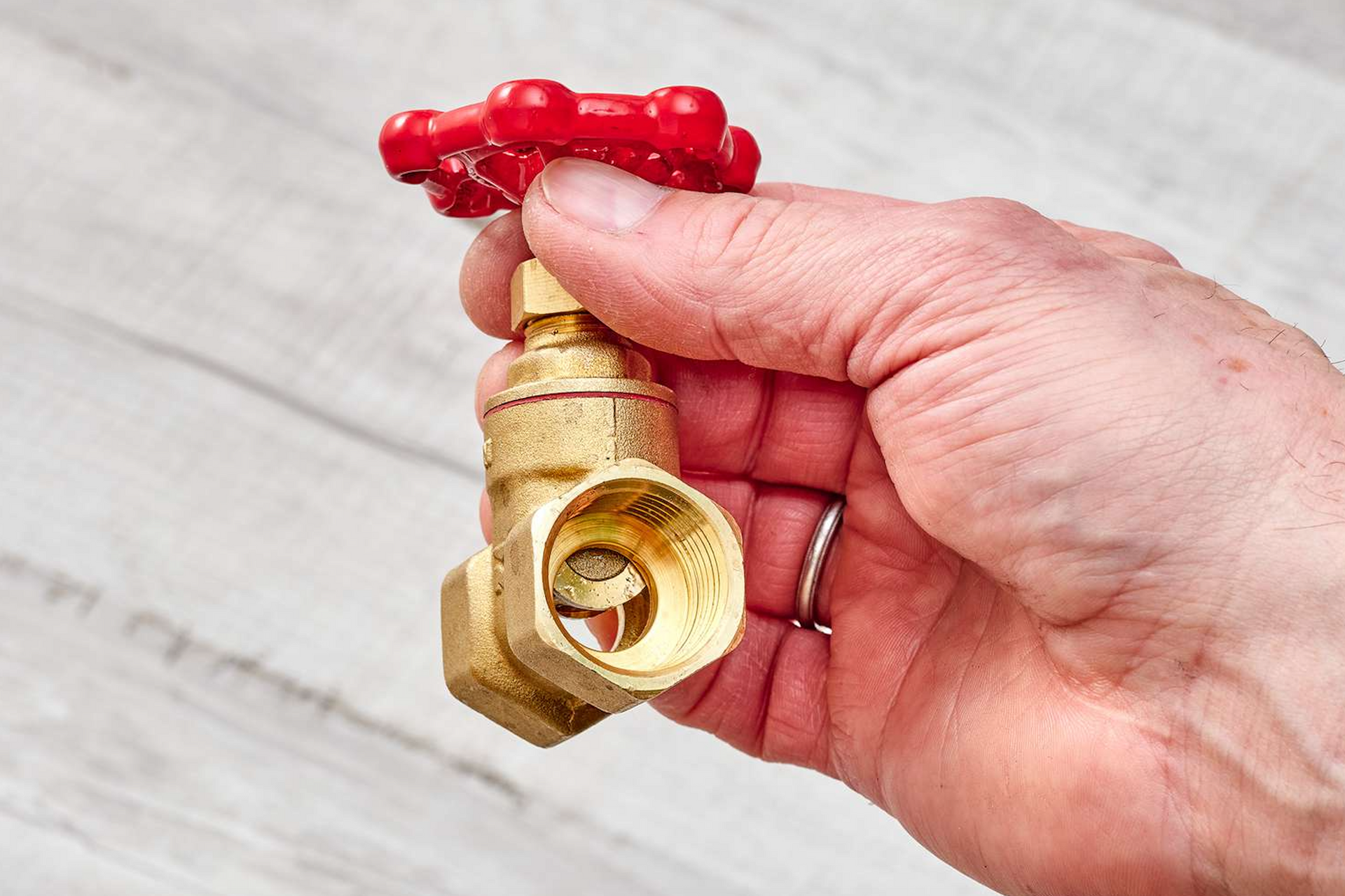
As the trusted experts at Aaron's Water Heaters, we understand the importance of a reliable residential water heater, especially during those chilly Michigan winters. Today, we want to dive into a crucial aspect of your water heating system that often goes unnoticed – the valves. Specifically, we'll be comparing ball valves and gate valves, shedding light on their differences and helping you make an informed decision for your replacement water heater installation. The Basics: Before we delve into the specifics of ball and gate valves, let's briefly go over their primary functions. Valves play a pivotal role in controlling the flow of water within your plumbing system. They act as gatekeepers, allowing you to shut off or regulate the water supply to different parts of your home. Ball Valves: Ball valves are recognized for their simplicity and efficiency. They feature a spherical disc inside the valve body, which can be rotated to control the flow of water. When the handle is perpendicular to the pipe, the valve is closed, and when it's parallel, the valve is open. This straightforward design allows for quick and precise control over the water flow, making ball valves a popular choice for many residential applications. Advantages of Ball Valves: * Quick and Easy Operation: Ball valves are known for their user-friendly operation, allowing homeowners to shut off the water supply rapidly in case of emergencies or maintenance. * Durability: The design of ball valves makes them less prone to leaks, ensuring a longer lifespan and reduced maintenance requirements.
 * Reliability: Ball valves provide a tight seal, minimizing the risk of water wastage and maintaining a consistent water flow. Gate Valves: Gate valves, on the other hand, employ a flat or wedge-shaped gate that moves up and down within the valve body. When the gate is raised, water can flow through; when lowered, the valve is closed. While gate valves are also widely used, they differ from ball valves in terms of operation and application. Advantages of Gate Valves: * Full Flow Control: Gate valves offer full, unrestricted flow when fully open, making them suitable for applications where maximum water flow is essential.
 * Less Susceptible to Clogs: The straightforward design of gate valves makes them less prone to clogging, ensuring consistent performance over time. Choosing the Right Valve for Your Water Heater (and other plumbing in your home): When it comes to selecting the right valve for your residential water heater in here in Michigan, several factors come into play. Consider the specific requirements of your system, your preferences for ease of use, and the overall functionality you desire. For most homeowners in our region, the simplicity and reliability of ball valves make them an excellent choice. However, if your water heater demands high water flow and you prioritize maximum control, a gate valve might be the better fit. Conclusion: At Aaron's Water Heaters, we prioritize not only delivering top-notch replacement water heater installations but also ensuring you understand the components of your plumbing system. Knowing the difference between ball and gate valves empowers you to make informed decisions for your home. Contact Aaron's Water Heaters today for expert advice and seamless water heater installations tailored to the unique needs of fellow Michigan homeowners. Stay warm and worry-free with Aaron's!
December 12, 2023
Water heaters play a crucial role in our daily lives, providing us with hot water for showers, cleaning, and various household tasks. While they are essential, it's important for homeowners to be aware of potential safety hazards associated with water heaters. In this article, we will discuss key aspects of water heater safety and offer tips to ensure your system operates smoothly without posing risks to your home and family. Temperature Settings: One of the first considerations for water heater safety is setting the temperature at an appropriate level. The U.S. Department of Energy recommends a temperature setting of 120°F to prevent scalding while still meeting the needs of most household activities. Higher temperatures can increase the risk of burns, especially for children and the elderly. Regular Maintenance: Regular maintenance is essential for the safe and efficient operation of your water heater. Over time, sediment can accumulate at the bottom of the tank, reducing its efficiency and potentially causing overheating. Schedule annual flushing of the tank to remove sediment buildup and ensure optimal performance. Pressure Relief Valve: Every water heater is equipped with a pressure relief valve as a safety measure. This valve releases excess pressure from the tank, preventing potential explosions. Homeowners should test this valve periodically to ensure it is functioning correctly. If you find any issues, contact a professional plumber to address the problem promptly. Proper Ventilation: Gas-powered water heaters require proper ventilation to ensure the safe expulsion of combustion gases. Make sure the area around your water heater is well-ventilated and free from obstructions. Additionally, have a professional inspect the ventilation system annually to confirm its effectiveness. Check for Leaks: Water leaks around your water heater can lead to serious damage and pose safety risks. Regularly inspect the area around the heater for any signs of leakage, including rust or water puddles. Address any leaks promptly by tightening connections or replacing faulty components. Age of the Water Heater: Like all appliances, water heaters have a lifespan. Most units last around 10-15 years. If your water heater is nearing the end of its expected lifespan, consider proactively replacing it to avoid potential breakdowns and safety hazards associated with aging systems. Carbon Monoxide Detection: For gas water heaters, it's crucial to have a functioning carbon monoxide detector installed in the vicinity. Carbon monoxide is a colorless, odorless gas that can be produced by gas-burning appliances. Regularly check your detector and replace the batteries to ensure it is operational at all times. Conclusion: Prioritizing water heater safety is a responsibility that every homeowner should take seriously. By following these essential tips and conducting regular inspections and maintenance, you can ensure your water heater operates efficiently and safely. If you ever have concerns or encounter issues beyond your expertise, don't hesitate to consult with a professional plumber to address the issue promptly. Your family's safety and the longevity of your water heater depend on proactive care and attention to these crucial details.

Book a Service Today